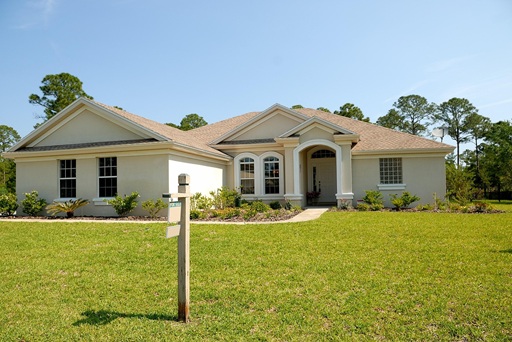
In Ontario you can sell inherited property before probate finishes, but you must protect the sale with a strict probate condition and work closely with your lawyer to manage risks. If you include a probate condition in the Agreement of Purchase and Sale and follow estate rules, you can list the property and accept offers while probate proceeds.
In post Sell Inherited Property Ontario You’ll need to handle legal requirements, potential taxes, and practical choices—like repairs, pricing, or selling for cash—to move the process along efficiently. The next sections explain what the law requires, what trustees must do, and practical strategies to sell the home for the best outcome.
Legal Considerations in Ontario
You must address probate, taxes, and any title defects before listing or closing a sale. Each issue affects timing, documents your lawyer needs, and potential buyer conditions.
Understanding Probate Requirements
If the estate requires probate, you or the estate lawyer must secure a Certificate of Appointment of Estate Trustee (with or without a will) from the Ontario Superior Court of Justice. Probate confirms the executor’s authority to sell and is typically required by buyers, lenders, and title companies before transfer.
You can list the property and accept offers before probate, but include a strict probate condition in the Agreement of Purchase and Sale. That condition should set a firm deadline for receipt of the certificate and state what happens if probate is not granted.
Expect delays: court processing, missing information, or contested wills can add weeks or months. Work with a real estate lawyer to prepare the probate application, gather the will, death certificate, asset inventory, and pay any estate administration tax.
Tax Implications for Inherited Properties
Ontario has no inheritance tax, but the deceased’s final tax return must report deemed disposition of capital property. The estate may face capital gains tax on the change in value from the date of death to sale if the property is not designated as the deceased’s principal residence for the relevant period.
If the estate sells the property, the estate itself pays any taxes owing before distribution. You should obtain a clearance certificate from the Canada Revenue Agency (CRA) to shield executors from liability for unpaid taxes; the certificate requires filing returns and paying assessed amounts.
Track basis, improvements, and valuation documents. If beneficiaries receive the property in kind (not sold), tax consequences differ; consult a tax professional to determine whether rollover, principal residence exemption, or other rules apply.
Resolving Title and Ownership Issues
Confirm title status early by ordering a current title search and reviewing the deed, mortgages, liens, and any caveats. Outstanding mortgages and registered liens must usually be paid out at closing unless the buyer agrees to assume them in writing and lenders consent.
Disputes among beneficiaries, missing heirs, or unclear wills may prevent transfer. If a beneficiary contests the executor’s authority, you may need a court order or consent declarations to clear title. In some cases, a judge can order sale of estate property despite objections.
Address joint tenancy vs tenancy in common: joint tenancy typically passes automatically to the surviving joint tenant and avoids probate; tenancy in common requires probate to transfer that share. Work with your lawyer to prepare affidavits, releases, and the appropriate transfer documents to ensure clean title for the buyer.
Effective Strategies for Selling an Inherited Home
You will need to balance cost, timing, and legal readiness while preparing the property, choosing a sales method, and targeting buyers who can close quickly. Prioritize tasks that reduce delay and increase net proceeds: clear title issues, present a safe, marketable home, and focus on buyers who pay cash or have preapproved financing.
Preparing the Property for Market
Start by confirming the property is safe and sale-ready. Address health and safety issues first: fix electrical hazards, remove mold, and ensure utilities work for showings. Obtain a basic inspection to identify problems buyers will expect you to disclose.
Decide whether to make cosmetic repairs or sell “as-is.” Minor, low-cost updates—fresh paint, decluttering, lawn maintenance—often yield outsized returns. Create a short checklist: clean, remove personal items, stage key rooms, and repair visible defects. Keep receipts and document work for the estate file.
If probate or estate administration is incomplete, consult your lawyer before spending large sums. For large repairs, get two contractors’ quotes and weigh repair costs against market value increases. Use clear photographs and a maintenance log to build buyer trust.
Deciding Between Listing with an Agent or Private Sale
Choose an experienced local agent if you want market exposure and help with pricing, negotiations, and paperwork. Look for agents with estate-sale experience and recent comparable sales in the neighbourhood. Ask for a written marketing plan and a net-proceeds estimate.
Opt for a private sale or direct cash buyer if speed and reduced hassle matter more than maximum price. Cash buyers or investor firms can close in days and often buy as-is, but expect offers below market value. Always get written offers and verify buyer funding or proof of funds.
Compare costs and timelines in a simple table:
- Agent listing: higher net price potential, 30–90+ day timeline, commission and prep costs.
- Private/cash sale: faster closing (often 7–30 days), lower price, fewer contingencies.
- Hybrid options: limited-service agents or auction platforms can balance cost and speed.
Base your choice on your deadline, estate obligations, and whether the estate needs maximum proceeds or quick distribution.
Attracting Qualified Buyers
Target buyers who match your priorities: owner-occupiers for higher offers, investors/cash buyers for speed. Write a clear listing that highlights recent updates, lot size, zoning, and any transferable warranties or surveys. Include an accurate, recent inspection summary to reduce renegotiation.
Use selective marketing channels: MLS for broad exposure, investor networks and local real estate investor associations for cash buyers, and social media for owner-occupiers. Require preapproval letters or proof of funds with offers and set a reasonable showing schedule to avoid delays.
Screen buyers with a short checklist: proof of funds/preapproval, proposed closing date, contingencies, and willingness to accept as-is conditions if applicable. Evaluate offers on net proceeds and reliability, not just headline price.