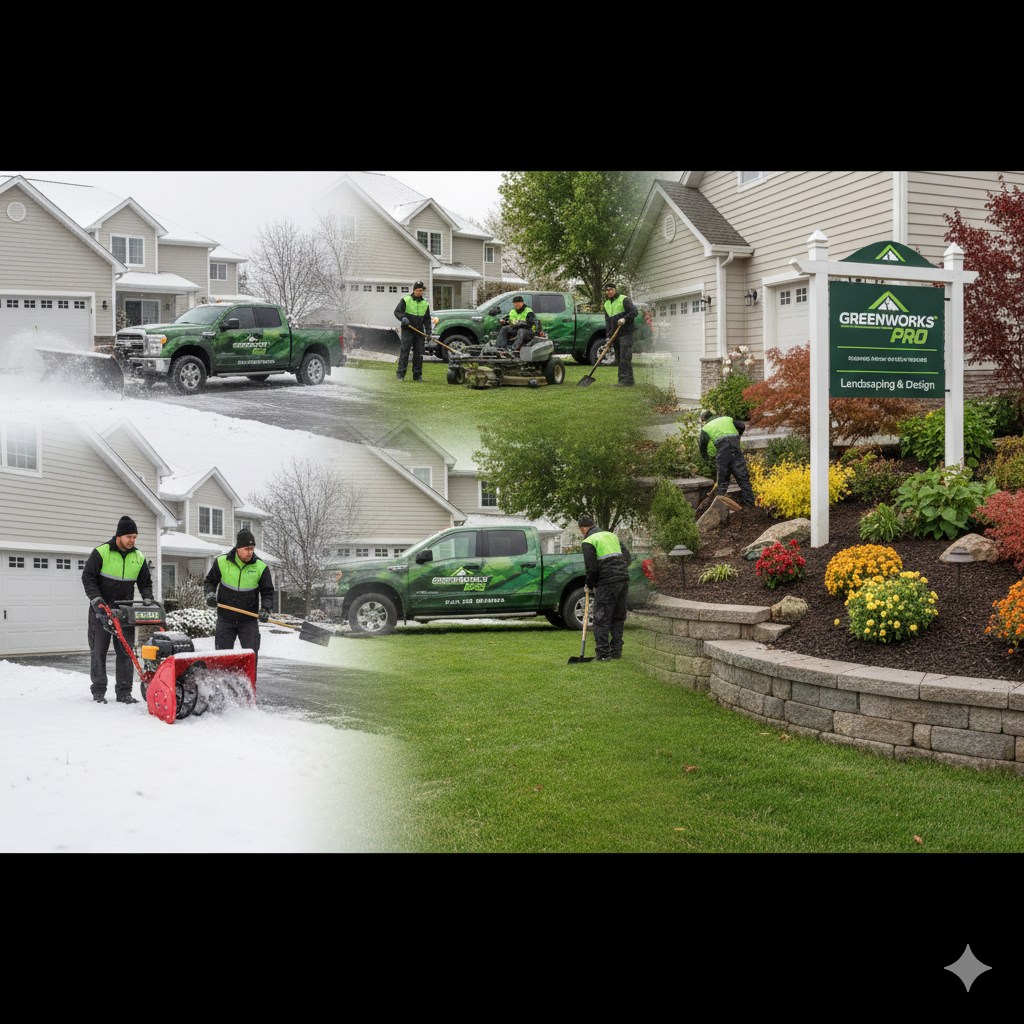
You want a lawn care that fits Oakville’s climate and your schedule without wasting time or money. Choose grass types and soil care that match Oakville’s seasonal patterns, and you’ll cut maintenance time while keeping a healthy, green lawn year-round.
This post lawn care oakville shows which grass and soil choices work best for Oakville’s conditions and explains practical, seasonal steps you can take to keep the lawn thriving. Expect clear, actionable tips on planting, fertilizing, watering, and timing so you can make decisions that actually improve results.
You’ll also learn maintenance rhythms that fit local weather and common problems to watch for, so you can prevent issues before they start and keep your property looking its best.
Essential Grass and Soil Choices
Choose grass varieties that tolerate Oakville’s cool-season climate, compact soils, and seasonal freeze-thaw cycles. Prepare soil to a depth of at least 10–15 cm, correct pH to about 6.0–7.0, and use aeration and topdressing to improve drainage and root depth.
Recommended Grass Types for Oakville Climate
Kentucky bluegrass, perennial ryegrass, and fine fescues perform best in Oakville’s humid continental climate. Kentucky bluegrass offers a dense, durable sod that recovers from wear via rhizomes. Perennial ryegrass establishes quickly and tolerates foot traffic, making it useful for new installations or high-use yards. Fine fescues (creeping red, chewings, hard fescue) handle shade and lower fertility; include them on north-facing slopes and under mature trees.
Mixes work better than single-species lawns. A common blend is 50% Kentucky bluegrass, 30% perennial ryegrass, and 20% fine fescue for a balance of durability, quick cover, and shade tolerance. Choose certified seed or sod with labelled cultivar names to ensure disease resistance and quality.
Soil Preparation Techniques
Test soil pH and nutrient levels before planting; aim for pH 6.0–7.0 and correct phosphorus, potassium, and organic matter as needed. Collect 4–6 subsamples from the top 15 cm and use a provincial lab or a reliable DIY kit for accurate results. Apply lime to raise pH or sulfur to lower it, following test recommendations and local rates.
Remove debris and existing dead grass, till or spike compacted areas to 10–15 cm, and incorporate 2–4 cm of screened compost or topsoil to improve structure. Grade the surface for 1–2% slope away from foundations for drainage. Firm the seedbed lightly to avoid an overly dense crust that blocks germination.
Topdressing and Aeration Benefits
Core aeration relieves compaction and reduces thatch by removing 2–3 cm diameter cores to a depth of 6–10 cm; perform aeration in fall or late spring when grass is actively growing. Aeration improves oxygen, water, and nutrient movement into the root zone and boosts root growth in clay-heavy Oakville soils.
After aeration, spread 3–6 mm of screened compost or a sand-compost mix as topdress to fill holes and level low spots. Topdressing gradually increases organic matter, improves drainage, and creates a firmer surface for mowing. Repeat aeration and topdressing on high-use lawns every 1–3 years depending on compaction levels.
Effective Seasonal Maintenance Strategies
Plan specific tasks and timing for each season: clean debris and apply a balanced fertilizer in spring, adjust irrigation and mow to the correct height in summer, and overseed with targeted seed blends and control weeds in fall.
Spring Cleanup and Fertilization Tips
Remove leaves, sticks, and winter debris as soon as soil is firm to avoid compaction and allow sunlight to reach crowns. Rake lightly or use a power rake where thatch exceeds 1/2 inch; dethatch only when necessary to prevent stressing the turf.
Test soil pH and apply fertilizer based on results. For Oakville cool-season lawns, use a slow-release nitrogen product in early spring (late March–April) at a rate of 0.5–1 lb N/1000 sq ft. Spot-treat crabgrass pre-emergent in early spring before soil temps reach 10°C (50°F).
Repair bare patches after breakup. Core aerate high-traffic areas to relieve compaction. Overseed thin areas with a shade- or sun-tolerant mix appropriate for your yard’s conditions.
Summer Watering and Mowing Practices
Water deeply and infrequently: aim for 1–1.5 inches per week delivered in one or two sessions to promote deep roots. Water early morning (before 9 a.m.) to reduce evaporation and disease risk.
Set mower height to 2.5–3.5 inches for cool-season grasses and raise height during heat waves to protect crowns. Cut no more than one-third of blade length at once; keep blades sharp to avoid tearing and stress.
Monitor for signs of drought stress (blue-gray turf, footprints). Spot-treat pests and diseases quickly; consult a diagnosis before applying pesticides. Adjust irrigation after heavy rains and follow local bylaws about watering restrictions.
Fall Overseeding and Weed Control
Start overseeding in early September when soil temps are 10–18°C (50–65°F) for best germination. Prepare by mowing short, aerating cores, and spreading seed at recommended rates (typically 3–6 lb/1000 sq ft for overseeding blends).
Fertilize with a high-phosphorus starter if a soil test indicates need; otherwise use a balanced late-season fertilizer to support root growth (0.5–1 lb N/1000 sq ft). Keep seedbed consistently moist with light daily watering until seedlings establish.
Control broadleaf weeds with spot herbicide treatments after seedlings reach two true leaves. Avoid heavy herbicide use immediately after seeding; follow label timing. Rake out persistent dead plant material and apply a thin layer of compost or topdressing to improve seed-to-soil contact.