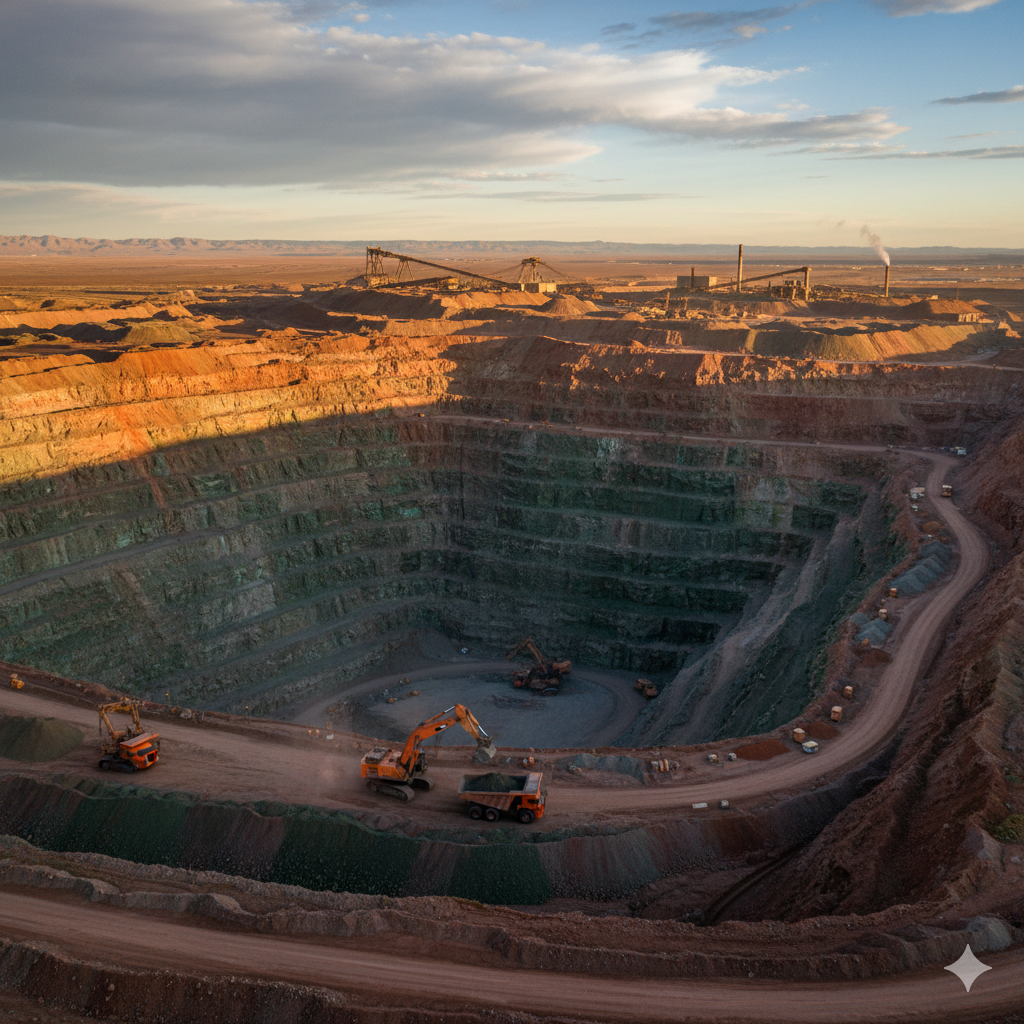
Copper plays a central role in power, electronics, and the clean-energy transition, so you should consider how it might fit into your portfolio today. If you want direct exposure to an industrial metal tied to global growth and decarbonization, copper offers several practical investment routes—from physical holdings and ETFs to mining stocks and futures—that match different risk tolerances and timeframes.
This article Investing in Copper will help you understand copper as an asset and compare common approaches to gaining exposure, so you can choose the method that fits your goals and risk profile. Expect clear explanations of market drivers, cost and liquidity trade-offs, and how to weigh company-specific risks versus commodity price moves.
Understanding Copper as an Asset
Copper functions as both an industrial input and a traded commodity. You should expect price cycles tied to economic activity, structural demand from electrification, and supply-side constraints that can create price volatility.
Historical Price Performance
Copper has shown long-term appreciation punctuated by sharp cycles. Prices surged in 2004–2008 with rapid Chinese industrialization, collapsed during the 2008 financial crisis, then recovered into the 2010s. More recently, prices spiked around 2021–2023 on post‑pandemic demand and supply disruptions.
You should note typical behavior: copper often leads global industrial cycles because it’s widely used in construction, power, and electronics. Short-term moves can be driven by inventory shifts and futures positioning, while multi-year trends reflect capital investment in mines and major demand shifts like electrification.
Key numeric signals to watch include inventories at LME/SHFE/COMEX, year-over-year demand growth rates, and real (inflation-adjusted) price trends. These metrics help you separate temporary spikes from structural shifts.
Key Factors Driving Demand
Electrification and renewable energy deployments are primary long-term demand drivers. Copper is essential for electric vehicles (EV motors, wiring), grid upgrades, wind and solar installations, and charging infrastructure. You should track EV penetration rates, utility transmission upgrades, and announced green infrastructure programs.
Construction and manufacturing remain large, steady users; housing starts and industrial output therefore matter for near-term demand. Technology trends—data centers, 5G deployments, and consumer electronics—add incremental demand. Policy decisions and incentives can accelerate adoption and change demand trajectories quickly.
Supply Chain and Production Trends
Primary mine production is concentrated in a few countries: Chile, Peru, China, and the U.S. This geographic concentration creates geopolitical and operational risk. You should monitor labor strikes, permitting delays, and national policy shifts in those jurisdictions.
Declining ore grades and the need for higher capital intensity raise long-term production costs. Exploration has slowed in some regions, meaning future supply growth may lag demand unless investment rises. Recycling and scrap supply provide a meaningful but partial offset; you should track secondary copper volumes and scrap prices as they respond quickly to spot copper levels.
Important supply indicators: global mine output growth percentage, realized all-in sustaining costs (AISC) for major producers, and mine project pipelines with expected start dates. These figures help you assess potential tightening or loosening of market balances.
Approaches to Gaining Exposure
You can gain copper exposure by holding the metal directly, owning companies that mine or process it, buying pooled funds that track copper-related assets, or trading contracts that speculate on future prices. Each route carries different cost, liquidity, and operational considerations that affect returns and risk.
Physical Copper Acquisition
Buying physical copper gives you direct ownership of the metal and removes counterparty risk tied to paper instruments. Common forms include copper cathodes, wire, and rounds; London Metal Exchange (LME) grade cathode is the most liquid for large transactions.
Storage and premiums matter. You’ll pay a premium over spot for fabrication, shipping, and secure storage; insured vaults or bonded warehouses add ongoing costs. Insurance, transportation, and provenance (grade/assay) requirements make smaller retail purchases less efficient.
Physical suits investors seeking a tangible hedge or industrial users needing supply. For most retail investors, storage complexity and low yield make physical copper better as a tactical or specialist holding rather than core allocation.
Copper Mining Stocks
Copper mining stocks give you equity exposure to production, reserve growth, and exploration success, plus potential dividends. Choose between major integrated producers (diversified metals, stable cash flow) and junior explorers (high upside, high failure risk).
Evaluate metrics: production guidance, all-in sustaining cost (AISC) per pound, reserve life, jurisdiction risk, and hedging policy. Company balance sheets matter—look for manageable debt and clear capital plans for expansion or new projects.
Stock prices reflect both metal prices and company-specific execution. You gain leverage to copper’s price movements but also face operational risks: permitting delays, labor issues, and geopolitical exposure can cause big share swings unrelated to copper fundamentals.
Copper ETFs and Mutual Funds
ETFs and mutual funds offer diversified exposure without single-company operational risk. Options include physically backed copper ETFs, mining equity ETFs, and blended funds that mix miners and futures. Expense ratios, tracking method, and holdings composition drive performance differences.
Physically backed ETFs reduce counterparty exposure but may face storage and liquidity constraints. Equity ETFs give higher correlation to miner execution and corporate risk. Review fund size, turnover, and how it sources copper exposure—direct metal, futures rolls, or baskets of mining stocks.
For hands-off investors, ETFs simplify rebalancing and tax reporting. Pay attention to management fees and how futures-based funds handle roll yield, which can erode returns in contango markets.
Futures and Derivatives
Copper futures (LME, COMEX) let you directly speculate on or hedge future price moves with high leverage and precise contract sizing. Futures require margin, carry funding costs, and expose you to margin calls during volatile moves.
Options, swaps, and structured products provide tailored exposure—caps, collars, and forward contracts can limit downside or monetize carry but add counterparty and credit risk. Hedgers (manufacturers, utilities) use derivatives to lock input costs; speculators use them for directional bets.
Active management and experience matter. Understand contract specifications (delivery months, lot size), expiry timelines, and the mechanics of physical delivery if you hold contracts to settlement. Without strict risk controls, derivatives can amplify losses quickly.