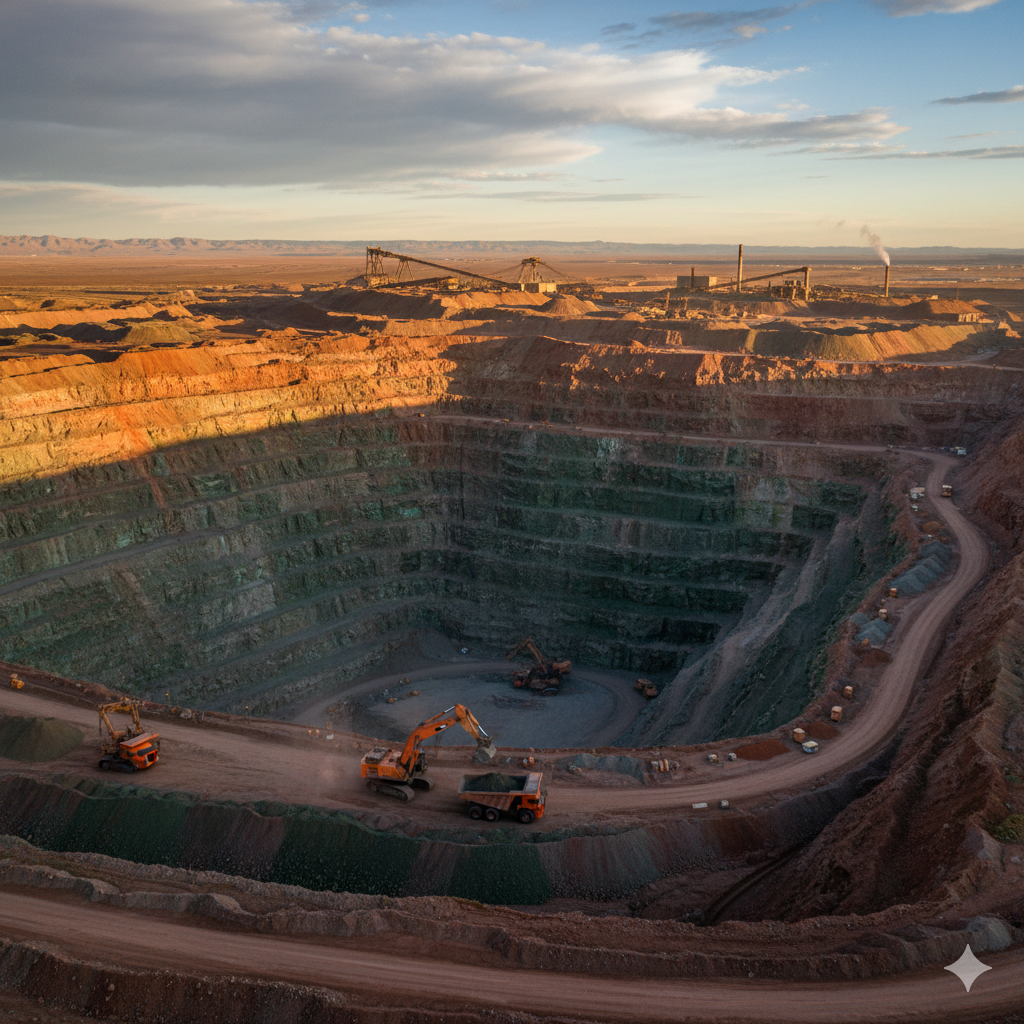
You can trace Michigan’s landscape and economy through its mines: copper and iron powered 19th- and 20th-century growth, and modern operations still supply metals and industrial minerals that matter today. Michigan continues to produce important resources—iron, copper, nickel, construction aggregates, and industrial minerals—that support industry and emerging battery and energy needs.
As you explore this post Mining in Michigan, expect a concise look at how mining shaped Michigan’s past, what active and recent mines contribute now, and how environmental rules and community concerns shape operations. The next sections unpack history and economics, then examine environmental and regulatory factors that affect mining’s future in the state.
Historical and Economic Context
You will find how Michigan’s mining began with ancient Native American copper use, expanded into large-scale copper and iron extraction in the 19th century, and transformed local economies and towns across the Upper Peninsula and surrounding ranges.
Early Mining Origins
Native people in the Keweenaw and surrounding areas worked native copper thousands of years ago, using glacially exposed float copper to make tools and ornaments. Archaeological evidence shows you artifacts and quarrying sites dating back millennia, so Michigan’s mining roots precede European settlement by a long interval.
European-descended commercial mining started in the mid-1800s when prospectors and geologists mapped richer deposits. Small surface operations quickly gave way to organized mines as rail and shipping links developed, enabling you to move ore to Great Lakes ports and industrial centers.
Development of the Copper and Iron Industries
Copper mining concentrated in the Keweenaw Peninsula; major lodes of amygdaloidal basalt produced high-grade native copper. By the late 19th and early 20th centuries, mines such as those around Houghton and Ontonagon supported mechanized extraction and smelting operations you can trace in surviving infrastructure and records.
Iron mining clustered on the Marquette, Menominee, and Gogebic ranges. The Marquette Range opened in 1845, and the Menominee and Gogebic followed later, supplying ore for Midwestern steel mills. Railroads and Great Lakes shipping were critical to scale—without them you wouldn’t have seen the same regional boom.
Impact on Local Communities
Mining created boomtowns and steady employment; communities like Houghton, Marquette, and Ironwood expanded rapidly around mines and mills. You can still see mine headframes, company towns, and historical districts that reflect that industrial legacy.
The industry also brought cycles of bust and transition. When individual mines closed, you saw population loss, economic shifts to logging, tourism, and education, and ongoing efforts at reclamation and environmental remediation. Municipal budgets, local identities, and land use practices continue to reflect those long-term changes.
Environmental and Regulatory Considerations
Expect detailed requirements for site cleanup, water protection, and permitting. You will need to understand reclamation timelines, acid drainage controls, and which state and federal agencies enforce standards.
Land Reclamation Efforts
You must plan reclamation before mining begins. Michigan law requires a mining, reclamation, and environmental protection plan that minimizes impacts to natural resources and public health.
Financial assurance—usually a bond or trust—is commonly required to guarantee reclamation work if an operator fails to complete it. You should confirm the amount and form of that assurance during permitting.
Reclamation activities include regrading pits and waste rock, replacing topsoil where feasible, and establishing stable vegetation. For former metallic and copper mines in the Upper Peninsula, steps also include treating mine-impacted soils and managing tailings to prevent long-term metal leaching.
Monitor reclamation success with vegetation cover, erosion control measures, and periodic inspections tied to permit milestones.
Water Management Practices
You must control surface water runoff and groundwater impacts throughout mining operations. Permits typically require engineered sediment controls, lined tailings facilities when needed, and monitoring wells to detect changes in water quality.
Operators often implement treatment systems for acid rock drainage or metal-laden discharge; treatment can involve lime neutralization, constructed wetlands, or active chemical treatment depending on water chemistry.
Stormwater plans must address seasonal precipitation and high-runoff events, especially near the Great Lakes and inland streams. You should look for permit-imposed discharge limits, regular sampling schedules, and contingency plans for exceedances.
Recordkeeping and public reporting of monitoring results are common permit conditions, so expect routine data submissions to regulators.
Government Oversight and Policy
You will interact primarily with Michigan’s Department of Environment, Great Lakes, and Energy (EGLE) for permitting, inspections, and compliance enforcement. EGLE issues permits for mining, wastewater discharges, and reclamation, and it enforces state environmental laws.
Federal programs can apply too—Clean Water Act permits, state programs approved under federal law, and specific regulations for coal or certain surface operations. You should verify which statutes and permits apply early in project planning.
Regulatory reviews evaluate permit applications for environmental protection, transportation of ore and waste, and plans for long-term site closure. Public comment periods and local government coordination are common parts of the process. Stay prepared for inspection schedules, permit conditions, and potential updates to rules that may affect financial assurance or operational controls.