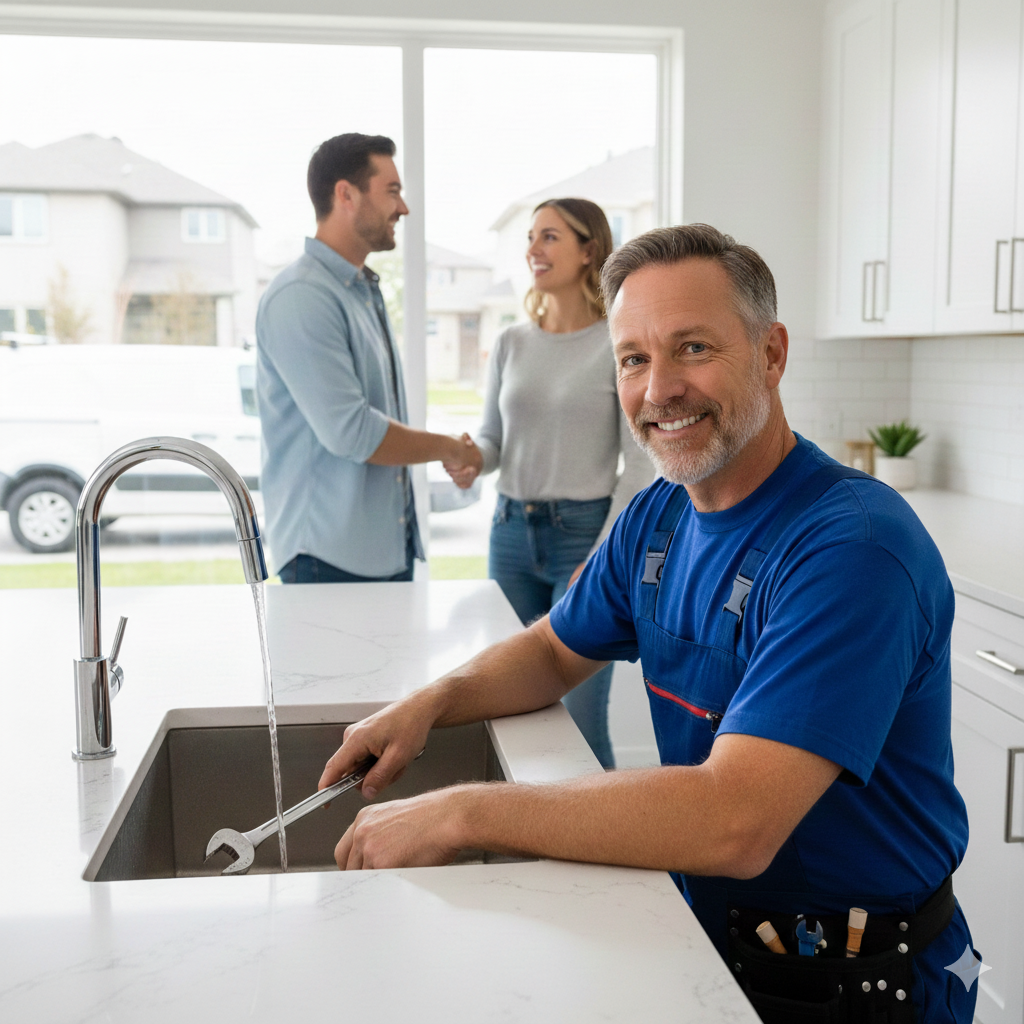
Looking for plumbing companies in Mississauga? You can find licensed pros who handle everything from emergency repairs and water heaters to drain camera inspections and permit‑required installs, so your plumbing problem gets fixed correctly and to code. Focus on plumbers with proper licensing, local permit knowledge, and clear pricing to avoid surprises and ensure safe work.
This article Plumbing Companies Mississauga will help you weigh residential versus commercial services, spot Red Seal or certified technicians, and compare same‑day response, warranties, and customer feedback so you choose the right local contractor for your job.
Residential and Commercial Plumbing Services
You can expect fast emergency response, thorough drain care, precise fixture installation, and planned upgrades that meet code and efficiency goals. Technicians typically carry diagnostic tools, permits knowledge, and parts for common fixtures and systems.
Emergency Repairs
When a pipe bursts, water heater fails, or sewage backs up, you need immediate, safe action. Call a licensed technician who offers 24/7 response, isolates the water or gas supply, and performs temporary mitigation (shutoffs, pump-outs, tarps) to limit property damage before completing permanent repairs.
Look for crews that document damage, provide written estimates, and work with your insurer when required. Confirm the technician can repair cast-iron or PVC sewer lines, solder or replace copper and PEX, and install new water heaters on the same visit if parts are stocked.
Typical emergency services include leak detection using electronic locators, sewer cleanouts, slab leak repair, and gas line isolation. Ask about flat-rate emergency fees, arrival windows, and guarantees on labor and replacement parts.
Drain Cleaning and Maintenance
Clogged drains and slow sinks often start small and worsen quickly. Choose plumbers who use a combination of camera inspection, hydro-jetting, and mechanical augers to identify root causes—tree roots, grease buildup, mineral scale, or collapsed pipes—and remove blockages without damaging pipes.
Schedule routine maintenance for main sewer lines and kitchen grease traps to prevent recurring backups. A video inspection report helps you see pipe condition and plan repairs or relining when cracks, offsets, or root intrusion appear.
Insist on environmentally safe cleaning agents and a clear price breakdown: camera inspection, clog removal, and follow-up prevention such as enzyme treatments or hair traps. Request before-and-after footage when they use a camera so you can verify work.
Fixture Installation
Installing sinks, faucets, toilets, showers, and water heaters requires matching supply lines, drain sizing, venting, and local code compliance. Provide exact model numbers and any manufacturer installation instructions; experienced plumbers will source compatible fittings and valves and confirm clearances and trap primer needs.
Technicians should test water pressure, check for leaks, and adjust fixtures for optimal operation after installation. For tankless or high-efficiency water heaters, confirm venting type, gas line sizing, and electrical requirements before work begins.
Get a written scope that lists parts, warranty terms, and whether old fixtures will be hauled away. For commercial installs, request coordination with building managers about shutoffs, permits, and inspection scheduling.
Upgrades and Renovations
When you renovate kitchens, bathrooms, or commercial restrooms, plan piping layout, water heater capacity, and drain slopes up front. Upgrades often include water-efficient fixtures, tankless heaters, backflow preventers, and reconfigured drainage to meet accessibility or capacity needs.
Work with plumbers who provide CAD-style drawings or marked-up plans, itemized bids, and phased timelines to coordinate with contractors. They should pull permits, schedule inspections, and handle necessary rerouting of supply lines, vent stacks, and gas lines.
Ask about options to reduce long-term costs: low-flow fixtures, demand-controlled recirculation pumps, and water filtration systems. Verify energy savings estimates and available rebates for certified equipment before committing to large upgrades.
Selecting a Trusted Local Plumber
Choose a plumber who holds valid credentials, has dependable customer feedback, offers clear guarantees, and can respond quickly when problems arise. Focus on verifiable licensing, recent local reviews, written service warranties, and realistic response windows.
Evaluating Licensing and Insurance
Ask for the plumber’s trade license number and verify it with Ontario’s provincial registry or local municipal office. A legitimate license confirms technical training and legal authorization to perform plumbing work in Mississauga.
Confirm the business carries commercial liability insurance and WCB (Workplace Safety and Insurance Board) coverage or equivalent. Request proof—policy name, coverage limits, and expiry date—so you can confirm protection against property damage and worker injuries.
Check for specialized certifications when needed, such as gas technician (TSSA certification) for gas appliances or a backflow prevention certificate for municipal compliance. Get these details in writing before work starts.
Reading Reviews and Testimonials
Look for recent reviews covering the specific service you need—water heaters, drain cleaning, or emergency repairs—rather than general praise. Prioritize reviews from Mississauga neighborhoods like Port Credit, Erin Mills, and Cooksville for relevant context.
Cross-check multiple sources: Yelp, TrustedPros, Google, and local directories. Pay attention to comments about technician punctuality, cleanup habits, pricing transparency, and whether quoted timelines matched actual completion.
Flag repeated patterns: multiple reports of extra charges, missed appointments, or poor communication are red flags. Contact references provided by the company and ask about the same issues you saw online.
Service Guarantees
Request written guarantees for both parts and labor, including duration and what specifically is covered. Typical warranties range from 30 days for minor repairs to several years for installations; ensure timelines are explicit.
Clarify the warranty claims process: who to contact, expected response time, and whether the company will cover return visits and travel costs. Get a written commitment that any replaced parts will be new and meet manufacturer standards.
Ensure guarantees don’t void existing appliance warranties. If a manufacturer requires certified installers, confirm the plumber meets those requirements and document it in the service agreement.
Response Times and Availability
Confirm the plumber’s normal business hours and emergency call-out policy, including fees for after-hours or weekend visits. Ask for estimated arrival windows rather than vague “same-day” promises.
Check fleet and staffing capacity for faster response; companies advertising multiple crews or local dispatch in Mississauga are likelier to meet tight windows. Request a written ETA for emergency jobs and a plan for temporary mitigations (shutoffs, patches) if full repairs can’t be completed immediately.
If you need ongoing maintenance, ask about priority scheduling for repeat customers. Get confirmation of how they communicate status—text, email, or call—and keep that in writing.