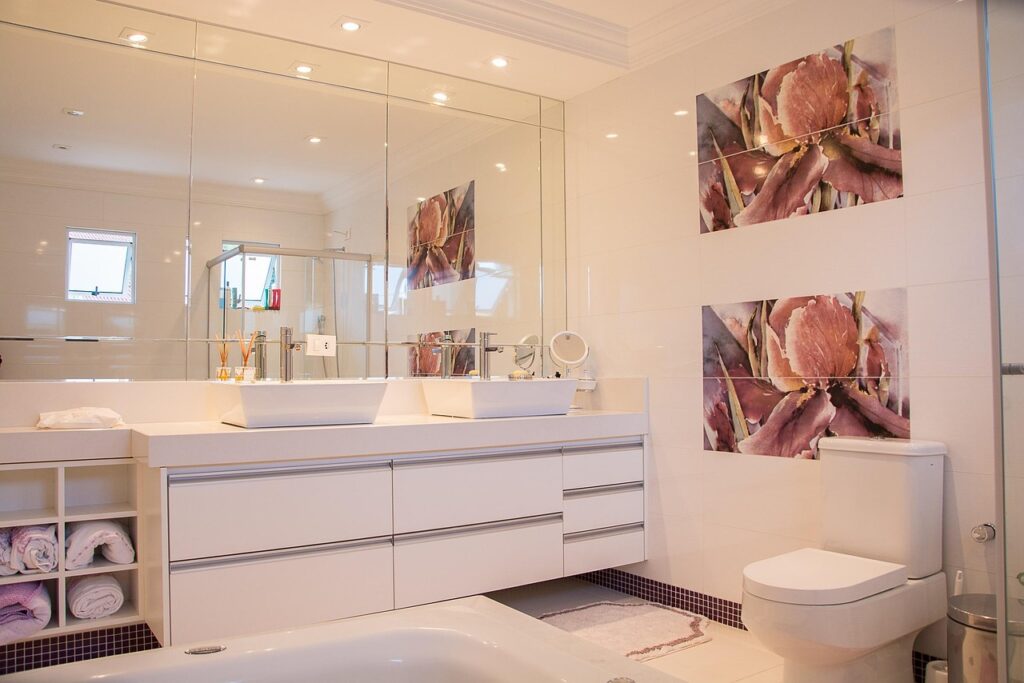
Converting your tub to a shower can free up floor space, improve safety, and give your bathroom a modern look without a full remodel. You can typically complete a straightforward tub-to-shower conversion in a day or two with the right planning, contractor, and materials, and costs generally range from a few thousand to higher depending on fixtures, tile, and plumbing changes.
This article Tub to Shower Conversion walks you through how to plan the remodel, what design and accessibility options to consider, and what to expect during installation so you can make smart choices and avoid costly surprises. Expect clear guidance on budgeting, layout decisions, and the installation steps contractors follow so you can move from idea to finished shower with confidence.
Planning Your Bathroom Remodel
You’ll evaluate existing layout, set a realistic budget, and pick fixtures and materials that match your needs for accessibility, maintenance, and style. Focus on measurements, plumbing constraints, cost breakdowns, and durable finishes to avoid surprises.
Assessing Space and Layout
Measure the tub alcove, finished floor-to-ceiling height, door swing, and clearances around the toilet and vanity first. Note the location of the drain and water supply lines; relocating them adds time and cost.
Check whether the subfloor is level and whether the wall studs and backer board behind the tub are in good condition. If you find water damage or rotted studs, plan for structural repair before installing the shower pan or tile.
Decide on shower type based on space: a 36″ x 36″ neo-angle can fit small corners, a 36″ x 60″ linear shower suits larger alcoves, and a curbless walk-in requires precise slope for drainage. Keep at least 30″ clear in front of fixtures for comfort and code compliance.
Budgeting and Cost Considerations
Create a line-item budget: demolition, plumbing reroute, subfloor repair, shower pan or base, wall substrate, tile or wall panels, glass, fixtures, labor, permits, and contingency (recommend 10–20%). Prioritize items that affect long-term value: waterproofing, quality drain and valve, and tile substrate.
Get at least three written bids from licensed contractors. Compare labor hours, materials included, warranty terms, and whether bids include permit fees and debris removal.
Expect costs to rise if you relocate the drain or change water lines, add heated flooring, or choose custom glass and tile. Choose one feature to upgrade (for example, a frameless glass door or a pressure-balancing valve) and economize elsewhere to keep your budget balanced.
Choosing Fixtures and Materials
Select a valve type first: pressure-balancing for basic temperature control, thermostatic for precise temperature stability, and anti-scald for accessibility compliance. Choose a tub-to-shower base: acrylic prefab pans for lower cost and faster install, or custom mortar bed with tile for durability and slope control.
For walls, consider large-format porcelain or solid-surface panels for easier cleaning and fewer grout lines. Use cement backer board or waterproof foam panels behind finished surfaces. Specify a linear drain if you want a single-slope curbless design.
Pick finishes with maintenance in mind: brushed nickel or matte black resist visible water spots; glazed porcelain is low-maintenance. For safety, add a low-threshold or curbless entry and textured floor tiles with a minimum COF (coefficient of friction) suitable for wet areas.
Installation Process and Design Options
This section explains the practical steps you’ll face and the design choices you’ll make: demolition, plumbing and framing changes, and options for bases, walls, and fittings that affect cost and accessibility.
Demolition and Preparation
Start by removing the tub, surround, and any trim until you reach the studs and subfloor. Expect 4–8 hours for demo in a typical 5-foot alcove; more time is needed for cast-iron tubs or tile walls.
Protect adjacent areas with plastic sheeting and floor protection. Turn off water and electricity, and remove the drain flange and overflow assembly carefully to prevent damage to the waste line.
Inspect the subfloor and wall studs after demo. Look for rot, mold, or framing that needs straightening; replace or sister joists as needed. Measure the opening precisely to select a shower base or plan for a poured or tiled pan.
Dispose of debris per local rules or arrange a dumpster; heavy tubs may require two people or a contractor for removal. Document the existing plumbing layout with photos to guide the next steps.
Plumbing and Structural Adjustments
Verify the location of the waste line and shower drain; keeping the drain in the same footprint saves cost. If you must move the drain, plan for cutting the subfloor and rerouting the P-trap—this typically adds a day and increases labor costs.
Check water supply lines and valves. Replace old galvanized or corroded piping with PEX or copper, and install shutoff valves for the shower. Confirm water pressure and flow rate to ensure compatibility with chosen showerheads and body sprays.
Address structural needs: reinforce framing if you plan a curbless entry or larger bench. For curbless showers, slope the subfloor to the drain and install a waterproofing membrane like a linear drain system. Hire a licensed plumber or contractor for significant plumbing relocations and structural modifications.
Custom Shower Features
Choose a shower base: prefab acrylic for speed, custom tile for aesthetics, or a linear-drain waterproof membrane for curbless entry. Each option changes installation time and waterproofing requirements.
Select wall materials and storage: solid-surface panels or large-format tile minimize grout and cleaning, while built-in niches and recessed shelves improve function. Plan niche placement relative to caddy height and shower hardware.
Pick fixtures that match your needs: single-handle valves for simplicity, pressure-balanced or thermostatic valves for safety, and multiple outlets if you want a rainhead plus hand shower. Consider grab bars, low thresholds, and textured flooring for slip resistance if accessibility is a priority.